
Slat Wall vs. Garage Cabinets: Which Storage Works Better for What You Own?
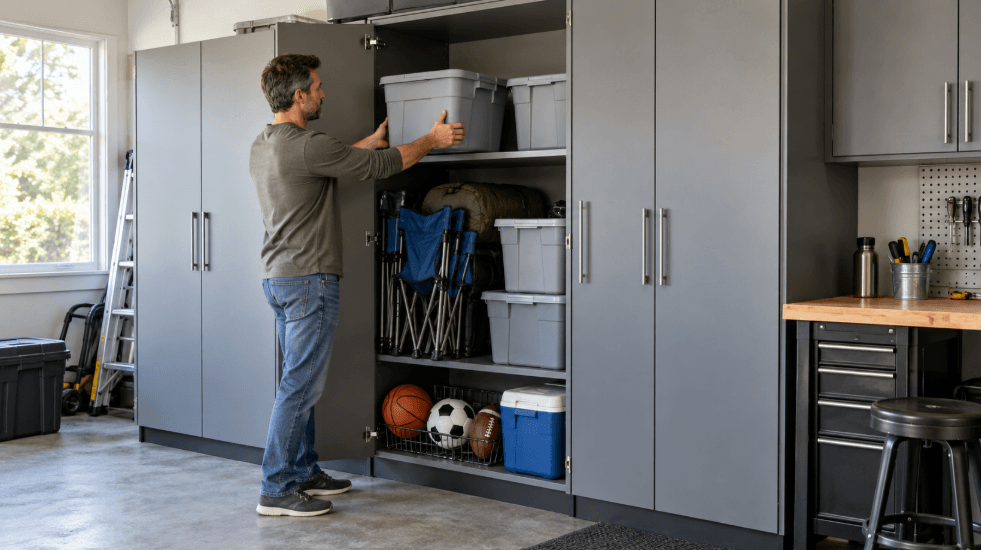
Slat wall vs. garage cabinets comes down to what you need to store and how you want to reach it. Slat walls keep frequently used items visible and easy to grab. Cabinets tuck away supplies and reduce visual clutter. At Main Line Custom Garage, we plan storage around the items you own, the space you need to keep clear, and how you use your garage.
Slat Wall vs. Garage Cabinets: What’s the Difference?
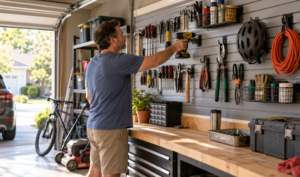
A slat wall is a panel system that holds hooks, shelves, and baskets. You can arrange those accessories to store tools, sports equipment, yard gear, and other items you want to see or access quickly. If your storage needs change, you can rearrange the accessories.
Cabinets give you enclosed storage. Shelves and drawers keep smaller supplies, tools, and seasonal items together behind doors or inside drawers. Our custom garage cabinetry is built around the garage layout, with choices such as finishes, adjustable shelving, and soft-close doors and drawers.
Neither system works best for every item. The right choice depends on what you store, how often you use it, and how much open wall and floor space you have.
When Does a Slat Wall Make More Sense?
Choose a slat wall for things you reach for often or want to see at a glance. Hanging a garden tool, sports bag, or frequently used hand tool keeps it off the floor and gives it a visible home.
Slat walls also suit items with awkward shapes that don’t fit neatly in a cabinet. Hooks, shelves, and baskets can be arranged for different equipment, and you can move them as your needs change. Our garage slat wall systems can cover a small section or a larger area, depending on the layout and what you plan to store.
Open storage does come with a trade off: you’ll see the items on the wall. Grouping related gear together and leaving some open space between sections can make the wall easier to scan. Check the capacity and installation requirements for the specific panel and accessory before hanging heavy equipment.
When Are Garage Cabinets the Better Choice?
Cabinets make sense for smaller items that tend to scatter, such as hand tools, automotive supplies, cleaning products, or household overflow. A shelf or drawer gives each group a place, while closed doors hide the contents from view.
They’re also useful when you’d rather keep certain items out of sight or want fewer loose objects on display. Before settling on a cabinet layout, consider the depth of the units and how they’ll affect vehicle clearance, door swing, walkways, and work areas. Measure with the car parked where it usually sits.
Keep garage storage practical and safe. For products such as pesticides, cleaners, and solvents, follow the label’s storage directions. The U.S. Environmental Protection Agency’s household hazardous waste guidance recommends keeping hazardous products in their original containers with labels intact. A cabinet can organize these items, but it doesn’t replace the product’s storage instructions.
What Belongs on a Slat Wall, and What Belongs in a Cabinet?
A useful first pass is to sort items by how you use them:
- Put frequently used gear on the wall if you want to see it and grab it easily.
- Put small supplies in cabinets or drawers when keeping them together matters more than displaying them.
- Give bulky items enough room to fit without blocking a walkway or vehicle door.
- Store seasonal items where they won’t crowd the easiest-to-reach spots.
For example, a family might hang sports bags and a yard tool on a slat wall, then keep extra fasteners, cleaning supplies, and less-used equipment in cabinets. A hobbyist might put everyday hand tools on the wall near a work area and reserve drawers for smaller parts. These are starting points, not fixed rules. The layout should reflect what you actually reach for.
Can You Use Slat Walls and Cabinets Together?
Yes. Many garages benefit from both. A slat wall can hold larger or frequently used items, while cabinets handle smaller supplies and the things you’d rather keep out of sight. Combining the two also lets you use wall space for different storage needs without trying to make one system do everything.
Plan the locations before installation. Keep frequently used items within easy reach, preserve room to park and move around, and account for doors, utilities, and work surfaces. If you’re updating other parts of the garage, it’s useful to consider storage alongside the floor, lighting, and paint. Our garage transformation process shows how storage and other upgrades can fit into one project.
How to Choose Storage for Your Garage
Start by listing what you plan to keep in the garage. Separate daily-use items from seasonal gear and supplies you use occasionally. Then note which objects need a hook or open shelf, which fit better in a drawer or cabinet, and which need a clear spot on the floor.
Next, mark the areas that need to stay open for parking, walking, or working. This helps you avoid choosing storage based on empty-wall measurements alone. A system might have plenty of capacity but still make the garage harder to use if it crowds a vehicle or blocks access to something you use every day.
If your list points to both systems, plan them together. At Main Line Custom Garage, we work with homeowners in Bryn Mawr and across the Philadelphia Main Line on custom cabinets, slat wall storage, and other garage upgrades. Contact our team to discuss what you want to store and how you use the space. With that information, it’s easier to choose a layout that fits your garage and your routine.
Recent Blogs
september 28, 2026
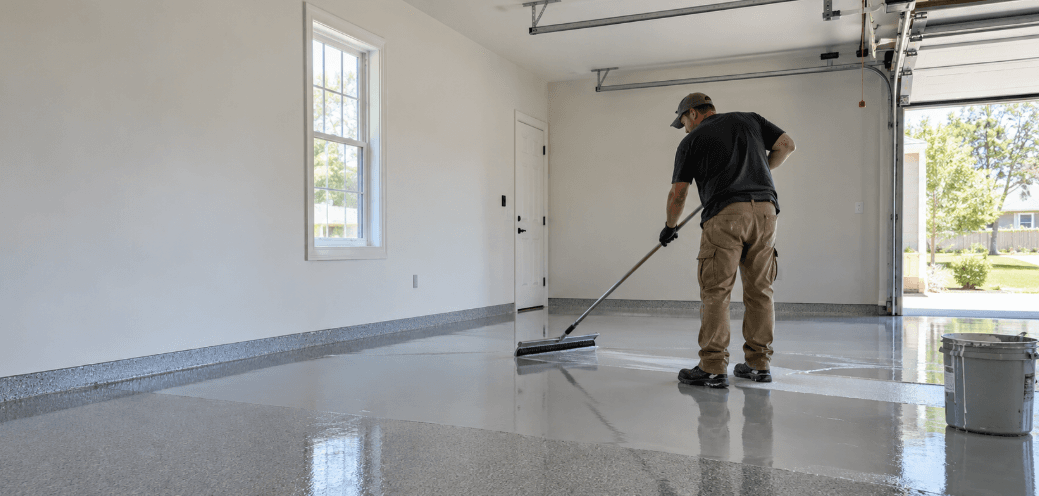
Should You Paint Garage Walls Before or After Epoxy Flooring?
september 23, 2026
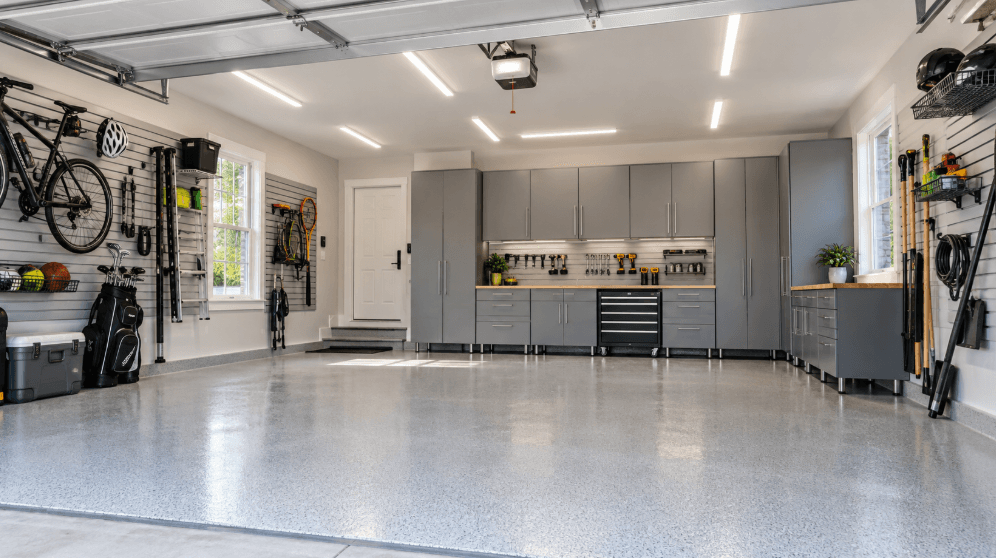
What Does a Full Garage Makeover Include? A Guide for Main Line Homeowners
august 25, 2026
Can You Epoxy a Cracked Garage Floor, or Does the Concrete Need Repair First?
august 19, 2026
How to Make a One-Car Garage Feel Bigger Without Adding Square Footage

december 29, 2025
Top Garage Design Trends for Modern Homes
Subscribe to Our Newsletter
Stay up to date with our latest news, blog posts, and exclusive updates delivered right to your inbox.